Emergency Preparedness
Three-Step Hurricane Preparedness Checklist: Protect Your Home & Power | Generac
4 MIN READ

Hurricanes and intense storms can hit when you least expect it. That’s why it’s so important to stay prepared, even when the forecast predicts sunny skies. A few simple steps now can help you avoid property damage, lessen strain on emergency services, and even save lives down the road. By getting ready ahead of time, you’re not just protecting yourself, you’re preserving your peace of mind.

Try this hurricane preparedness guide for a detailed walkthrough on how to secure your home.
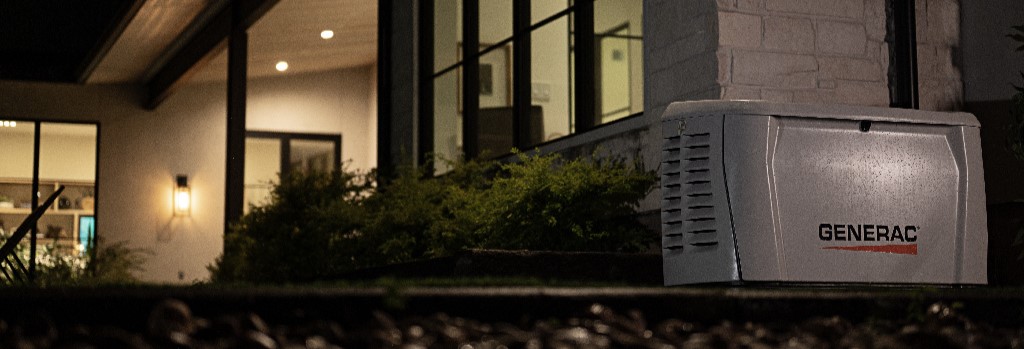
If you have a backup generator, it’ll help you stay comfortable and connected when the power goes out. It can be your lifeline during a hurricane—but only if it’s prepared for the long haul.
Use this short checklist before storm season soyour generator isready to perform when you need it most.
Don’t forget: As storm season approaches, you’ll want to stock up on fuel. It’s important that your generator starts with a full tank, and though fuel consumption varies by model, it’s never a bad idea to keep extra on hand. Wondering how much gas your generator uses? You can calculate approximately how much you’ll need here.
In some situations, the safest option will be to leave your home. It’s a difficult choice, but as storms shift and grow in strength, staying might become risky. In some situations, you might even face evacuation orders, so solidifying your evacuation plan ahead of time can help you stay calm and on-task through the chaos.
Your plan should include an emergency go-bag with all the essentials: important documents, medications, extra clothing and more. Assume you won’t have internet access and include cash and printed maps. Take note of nearby shelters and likely evacuation routes if you can. You also can check for recommendations from your local government to avoid last-minute confusion or congestion. And if your home isn’t flooded before you leave, turn off your breaker and unplug appliances to reduce the risk of electrical hazards or
damage when the power comes back. Having a plan in place means you can act quickly and stay safe, no matter what the storm brings.