Emergency Preparedness
What to Do After a Hurricane: a four-step checklist
4 MIN READ
Once the hurricane passes, you can breathe a little easier. The world might look different when you step outside, but you made it. Start with these four steps, and you can navigate the aftermath with confidence.
Your home can wait—your own safety comes first.
Take care of yourself: Try to eat healthy, nutrient-rich foods that haven’t been contaminated by floodwaters. If you’re injured or need medical care, seek professional assistance.
Be aware of your surroundings: Avoid floodwater whenever possible, look for downed powerlines and steer clear of sharp, scattered debris. The storm might have passed, but staying cautious will keep you safe.
Stay in touch with local authorities: Follow emergency broadcasts and channels for updates on curfews, road closures, power restoration and more. If you evacuated, don’t return home until your local authorities declare that it’s safe to do so.
Stepping outside after a hurricane—or returning home after evacuation—can feel overwhelming. Knowing what to tackle first can help you take control of the situation. The sooner you spot any damage, the sooner you can take action.
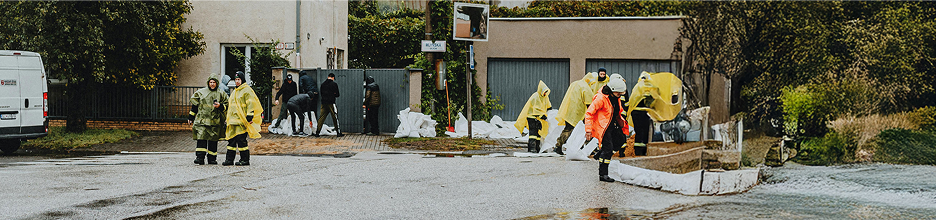
Start your assessment with a simple walk around the perimeter. Any exterior problems could point to hidden issues inside, so take your time checking these key spots:
Rooftops: Is anything loose or missing? Strong winds can tear away shingles, sheathing and even entire sections of your roof.
Siding: Do you see gaps? Make a note of any detached siding or punctured walls.
Windows: Any leaks, cracks or broken frames? Windows are weak points for flooding, and unprotected glass might be shattered by flying debris.
Doors: Are they still secure? Hurricanes can damage locks and rip doors right off their hinges—take a few minutes to make sure yours still open and close normally.
Equipment: Are your heating and A/C units intact? Any equipment stationed outside could be waterlogged or jostled after a major storm.
Foundations: Most importantly, is your home stable? Look for cracks, gaps, dips and other signs of sinking, settling or shifting. If you see any major changes, you might want to contact a professional before re-entering.
Water damage: Did any flooding or rainwater make it inside? Give special attention to your floors and walls: any cracks, gaps or unevenness could be signs of deeper structural damage.
Mold: Any musty smells or lingering moisture in the air? Give each room a good sniff. Mold and mildew thrive in damp conditions, and both are hard to banish once they’ve set in. Wear a mask if you attempt to clear out any growth by yourself—it might be hazardous to inhale.
Structural issues: Does anything look off? Signs of serious damage might be immediately visible. If you spot any warped floors, leaning walls or sagging ceilings, you should contact a professional as soon as possible.
Use a spreadsheet or another document to catalogue all damage to your home and belongings. Make note of the estimated value and use photos if you can—visuals can help with insurance claims or professional assessments.
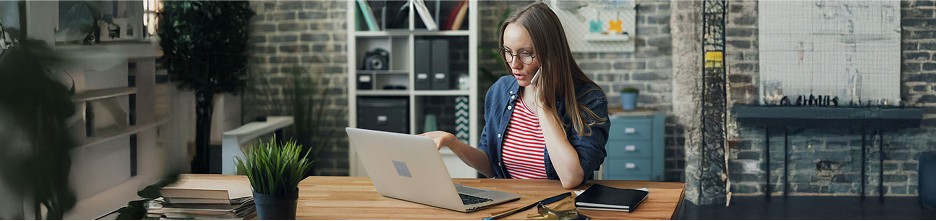
Recovering from a hurricane takes time, but finding the right support can get you back on your feet faster. Contact your insurance provider: File your claims as soon as you’ve documented the damage. Once you send your notes and photos along, an adjuster can get to work assessing your losses and processing claims. Make sure you keep records of all your communications with your provider—you might need them later.
Bring in the experts: Not all damage is obvious at first glance. A professional inspection can uncover structural issues, electrical hazards and other issues hiding under the surface. If your home is safe, an expert opinion will bring you peace of mind.And if it needs repairs, your inspector will point you in the right direction.
Check on your generator: If you used a home backup generator to power through this storm, it might need some maintenance. Contact your local licensed Generac dealer—they’ll help you make sure you’re ready for whatever comes next.
Watch out for scammers: Unfortunately, dishonest people often target storm-struck homeowners when they’re most vulnerable. Always verify licensing before hiring a contractor. Check their references if you can and be wary of anyone asking for full payment upfront.
Look into disaster aid: Insurance isn’t your only option—you might qualify for federal or local assistance as well. Search for state programs or community relief organizations. They might offer grants, low-interest loans and other resources to help you recover.
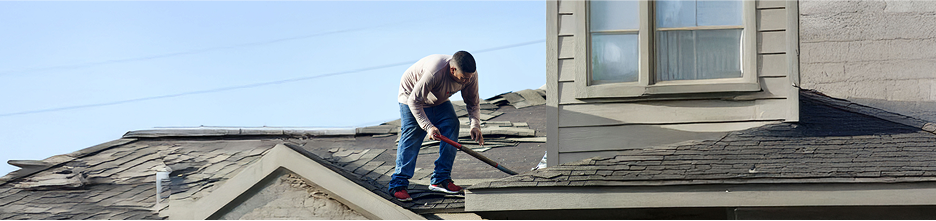
Restoring your home can be a long process. Start with stopgap solutions that will prevent further damage while you wait for professional repairs. Board up broken windows, secure tarps over exposed areas and use sandbags to secure your foundations and keep flooding at bay. If there’s still water in your home, remove as much as you can—but be careful to avoid fully submerged areas and electrical hazards. Make sure to turn off your utilities before stepping inside a flooded home. And if you feel at all unsafe, wait for an expert. You can air rooms out by opening the windows, but you should schedule a professional mold treatment soon to stop long-term issues before they start.
Now is a good time to prepare for the future, too. As you rebuild, consider preventative measures that will help secure your home against the next storm: impact-resistant windows, reinforced doors and roofing, etc. You can also stock an emergency kit with essentials like food, water and medical supplies—plus, anything you could have used this time around. Finally, put together a hurricane preparedness checklist to make sure you’re always ready to jump into action.
Looking for more backup when storms hit? A home standby generator can keep you powered, connected and protected during outages.
“Our Generac generator is what saved our belongings and is what ultimately saved us as a family. There was utter chaos and destruction outside, but my home was air conditioned and I had power.”
Jason C., Panama City, FL