Home Management
A Quick Guide to Understanding Surges and Surge Protection Devices
4 min
January 15, 2026

That light flicker during a storm or electronics acting up after an outage often signals a power surge – a sudden spike in electrical voltage racing through your home’s electrical system. Power surges can occur from a nearby lightning strike, sudden increase in local grid demand or from an electrical overload within your own home.
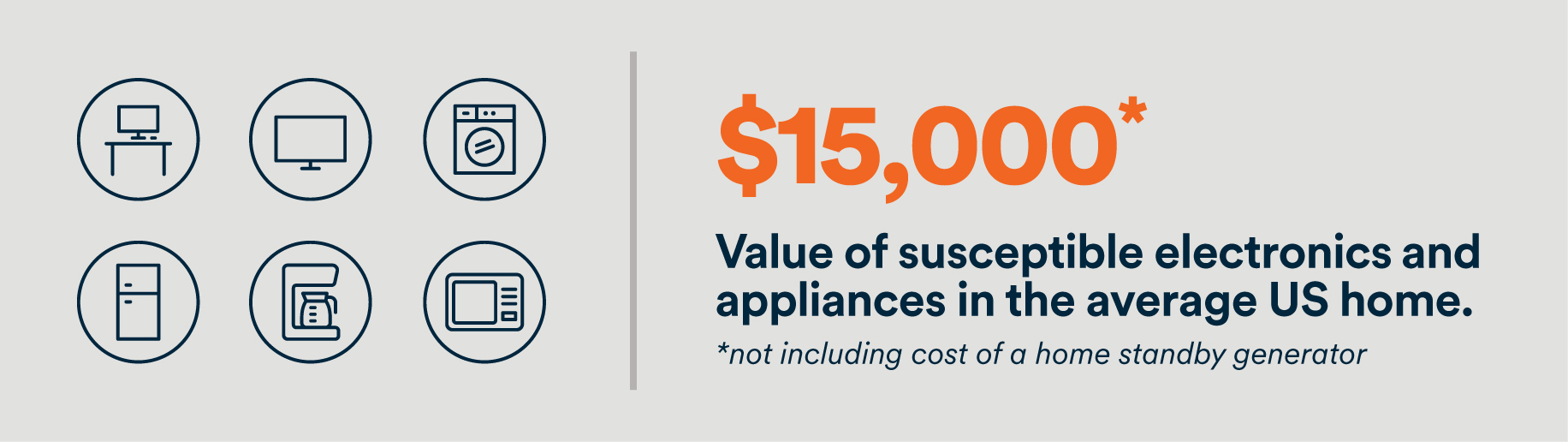
While a surge happens instantly, the damage it causes to sensitive electronics, appliances – even your home backup generator or automatic transfer switch – is permanent. With severe weather on the rise and an aging, failing grid, the time to guard your home with a surge protection device is now.
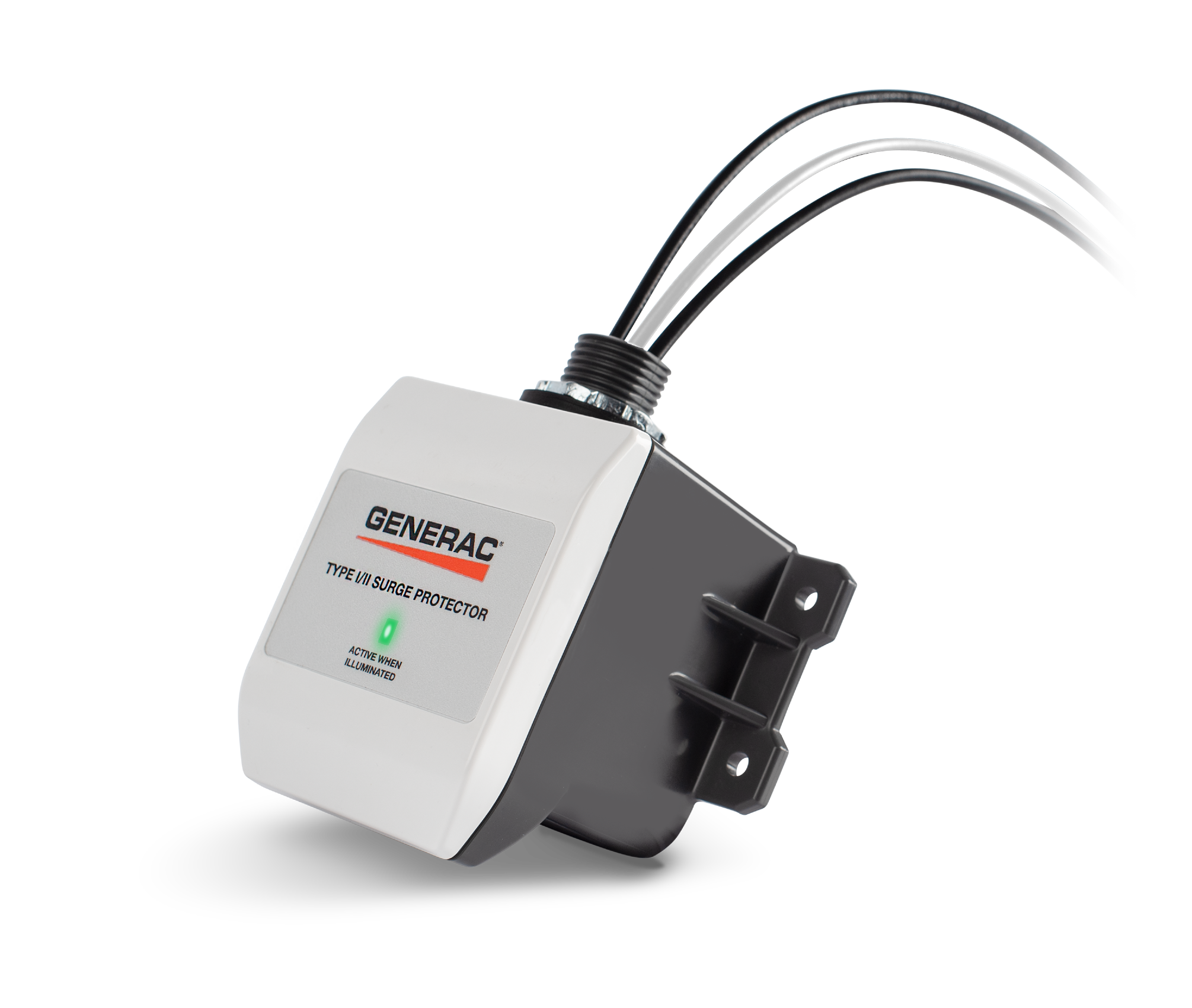
Much like a shield, a Surge Protection Device (SPD) redirects excess voltage away from your home and safely into the ground. SPDs are rated by kilo amperage (kA) that indicate the maximum surge current a device can absorb before it wears out.
SPDs are designed to fail safely so your electronics and appliances don’t fail permanently. After a significant surge event – or multiple smaller ones over time – it’s normal to replace the device.
Installed closer to the utility connection (called “line side”) for maximum protection before power enters your home. This is your first line of defense.
Installed at your breaker panel (called “load side”) after main service breaker. Protects against surges from appliances cycling or excess voltage passing through a Type 1 SPD.
Point of use surge protection such as a wall outlet, plug-in adapter or power strip. While type 3 surge devices can be easily installed by homeowners, Type 1 and Type 2 devices provide the greatest surge protection and require certified professional installation.
No complicated installs, no guesswork. Just whole-home SPD options designed to safeguard your investments, fit your needs and protect what matters most.
Ideal for retrofits or existing installations, this compact SPD mounts near or on your
breaker panel for whole-home protection. Comes with a 2-year limited warranty.
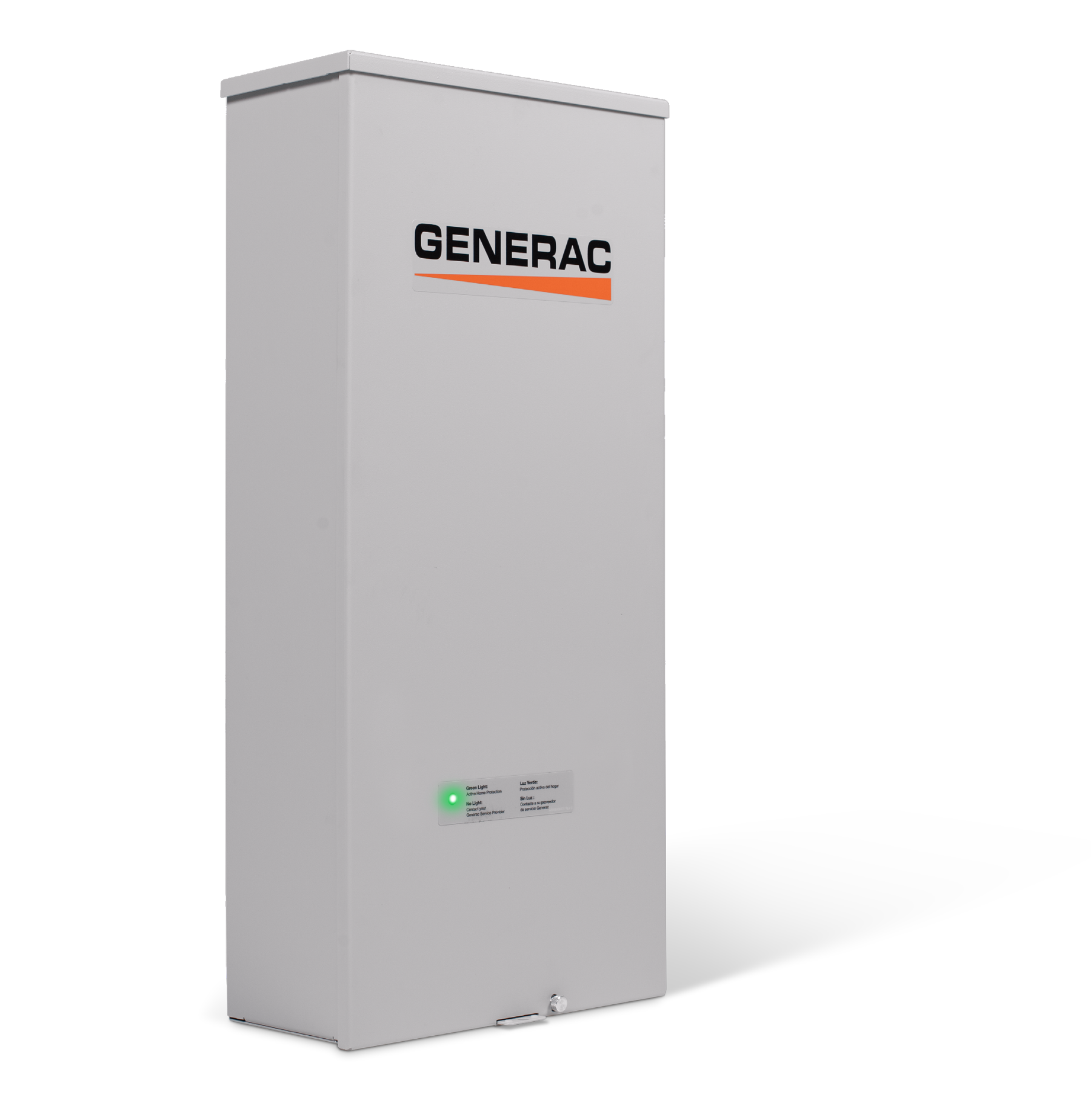
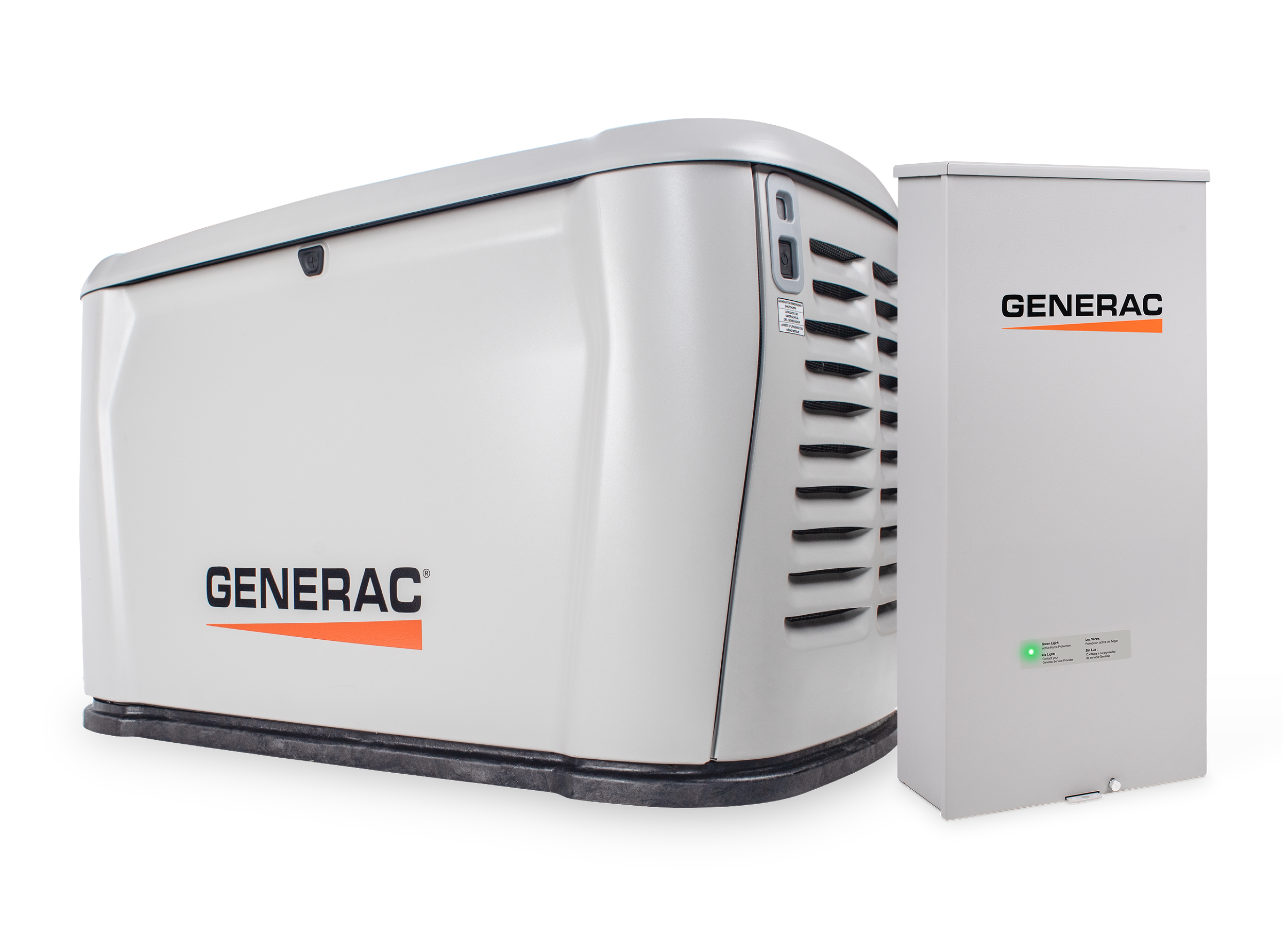
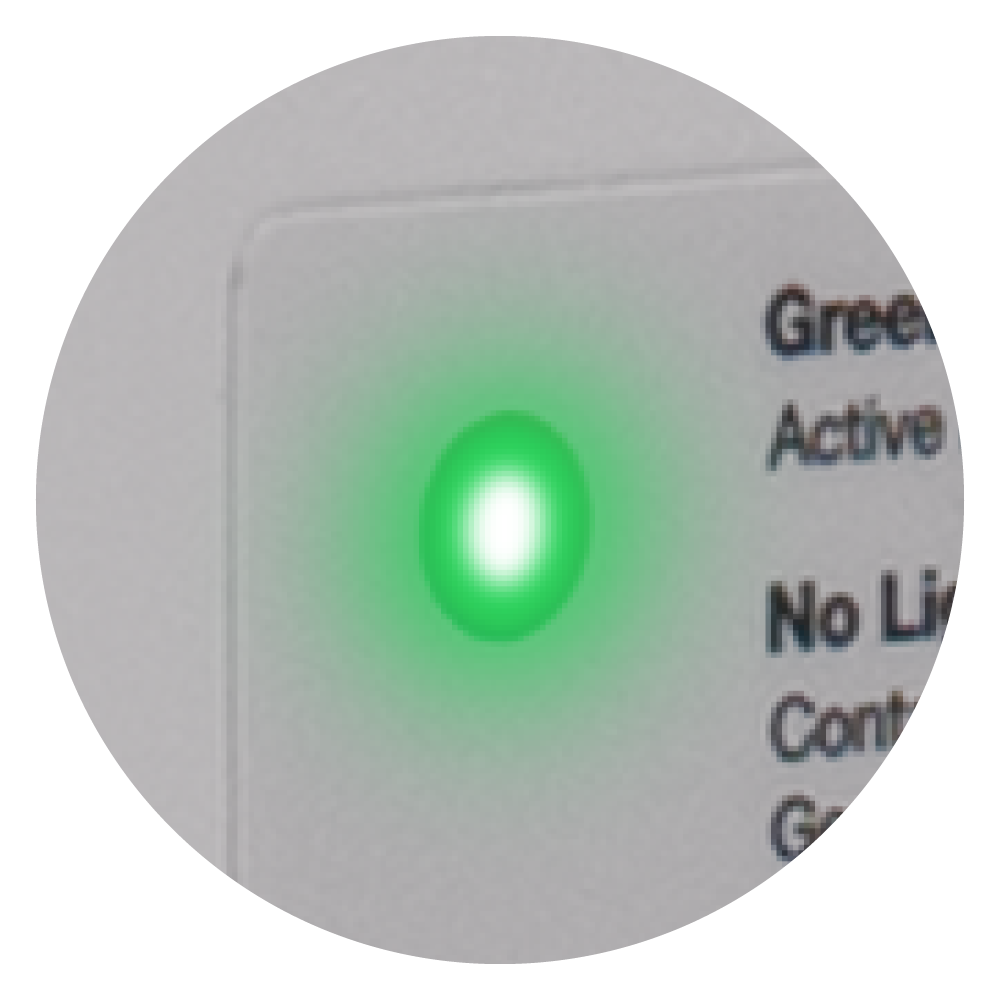
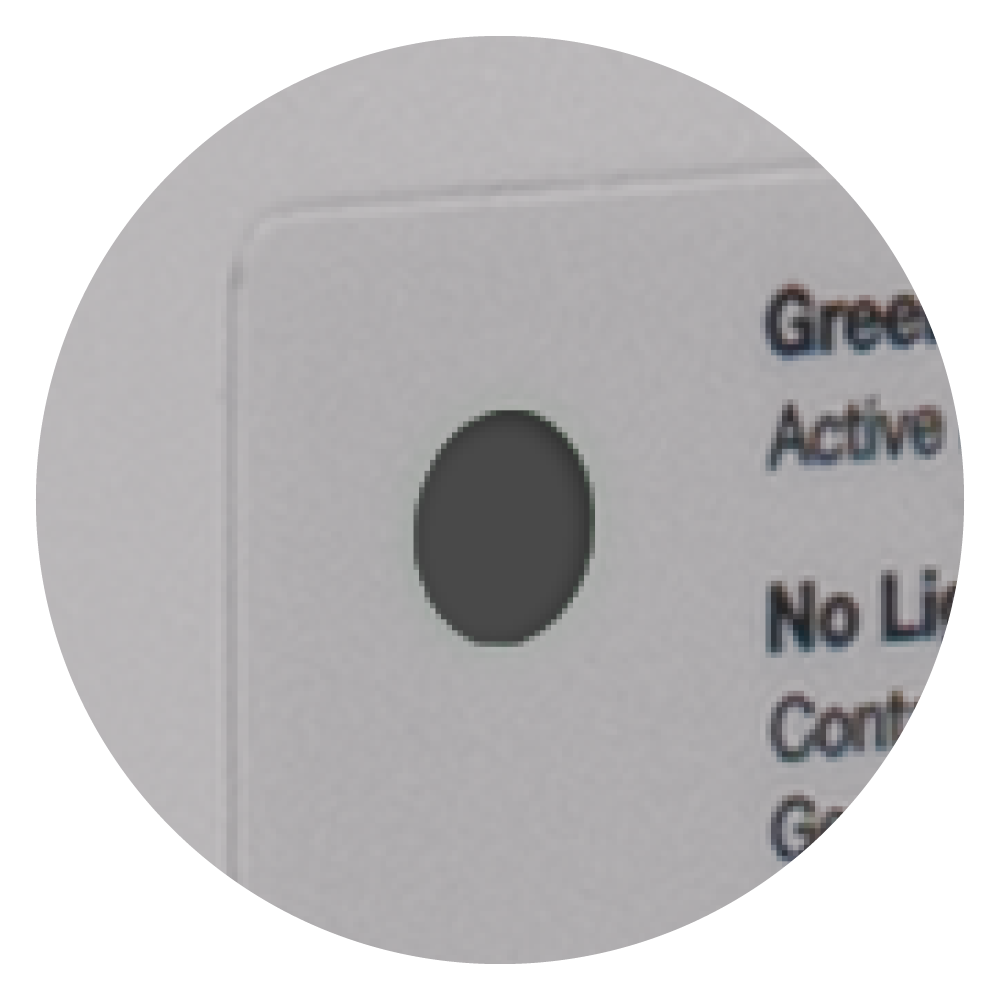
The only transfer switch of its kind available with factory-installed and integrated SPD, our Automatic Transfer Switch with easy-to-read LED indicator saves time, money and adds next level convenience and protection. No extra steps required. Comes with an increased 5-year limited warranty.
Compared to traditional standalone surge protection module installations
Only Generac offers a factory-direct, built-in SPD Automatic Transfer Switch
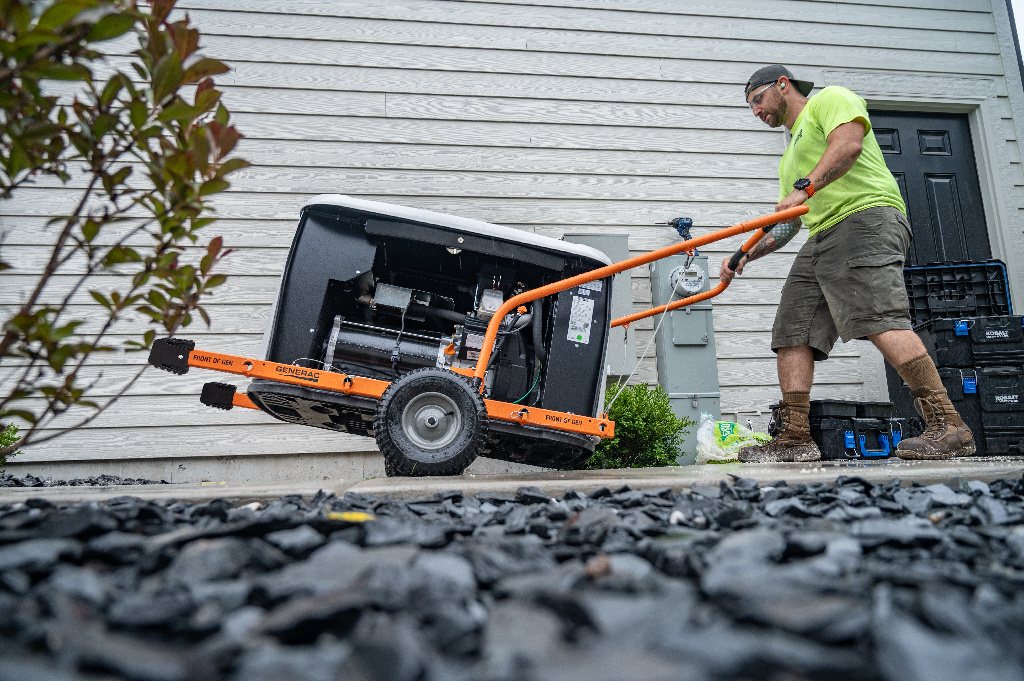
For ultimate peace of mind, savings and convenience, bundle your Home Standby Generator with our Automatic Transfer Switch with integrated surge protection. One installation for complete, whole-home protection.
|
|
Surge protection isn’t just a good idea – it’s often required. According to National Electrical Code (NEC) an SPD is mandatory when your electrical service is replaced or modified – including when a home standby generator is installed. If your residence is in a state that has adopted NEC code 2020 or thereafter, a surge protection device is required if the previous condition applies.
Even if your state has not adopted newer NEC standards yet, why wait? An SPD is an enhancement that adds an extra layer of defense for the everyday systems you count on, and that your home backup generator powers.
| 42 of 50 US states (86%) have adopted NEC 2020 or above |
For more than 65 years, Generac has helped millions protect against energy instability.
Now, along with our nationwide network of certified dealers and installers, we’re leading the evolution towards more resilient, efficient, sustainable solutions as the Total Energy Solutions Company.