Solar & Battery Solutions
Winter Energy Preparedness Tips
15 Min Read
October 10, 2025

Winter weather can change quickly. A forecast shifts. A storm strengthens. And suddenly, the utility power you depend on to stay safe, warm and connected can become less reliable.
This year, a potentially historic El Niño could make winter weather even harder to predict, bringing shifting precipitation patterns, fast-changing storms and a greater risk of outages. For more than 65 years, Generac has helped millions prepare for unreliable power. Use this guide to understand your risks, protect your home and move from "I hope we're ready" to "we have a plan."
This year's forecast may be uncertain. Your winter backup power plan doesn't have to be.
El Niño starts with unusually warm water in the Pacific Ocean, but its effects don't stop at the West Coast. Those warmer waters can change weather patterns across the country, influencing where rain, snow, wind and severe weather show up. That can bring disruptive conditions closer to home and increase the potential for outages.
According to the National Oceanic and Atmospheric Administration (NOAA), El Niño continues to strengthen, with a strong-to-very strong event likely through January–March 2027. NOAA also reports an 83% chance it could reach historic strength from October through December.
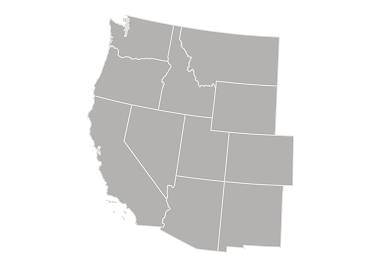
Western & Mountain States: More Ways Winter Can Test the Grid
Heavy rain, mountain snow, high winds, flooding and existing grid exposure can all affect power reliability.
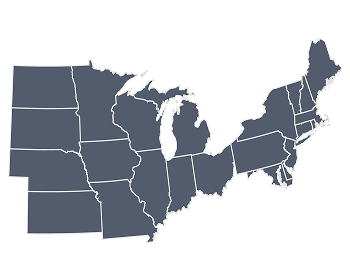
Midwest & Northeast: Milder Doesn't Mean Storm-Free
Snow, ice, wind and quick temperature swings can strain power lines, especially during fast-moving storms.
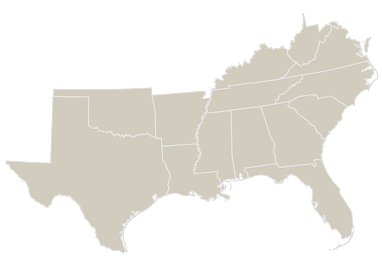
South & Gulf Coast: Winter Hits Differently Here
Wetter conditions, flooding, freezing rain and snow or ice can disrupt areas less accustomed to winter weather.
Even without snow or ice, extreme cold can freeze pipes, damage property and become dangerous for anyone outdoors or in an unheated home.

Heavy snow can weigh down trees and power lines, block roads and make power harder to restore.

Freezing rain can coat roads, trees and power lines. Even small amounts of ice can damage critical power infrastructure.
The best time to prepare is before the forecast becomes a warning. Gather the supplies and information you need – and be sure everyone in your home knows the plan.


Check the oil level every 24 hours of continuous operation and change the oil every 100 hours or as needed. Use SAE 30 above 32°F, 10W-30 from -10°F to 40°F or synthetic 5W-30 at any temperature*.
*Oil requirements and maintenance schedules can vary by model. Always follow your owner’s manual.
Winter storms this year could be unpredictable, but they don't have to catch you off guard. Here are a few simple ways to stay one step ahead.
Consider Portable Power Stations: they produce zero emissions, are safe for indoor use and the GB2000 can power a 120W refrigerator for up to 24 hours*
*Model and use case can vary
Pets are safest indoors with you during winter weather. Bring them inside before a storm hits, and plan for their comfort and safety in case the power goes out.
Help maintain the delicate balance in your aquarium by keeping its filtration system and heater running 24/7. Whether an outage lasts a few hours or a few days, here are several ways to minimize damage:

Winter weather can develop quickly. Knowing the difference between a watch, advisory and warning can help you understand what’s expected – and what to do next.
Be sure to:
Hazardous winter weather is possible. Watches are generally issued 12 to 48 hours before a storm begins. Check supplies, charge essential devices and finish preparing your home.
Snow, freezing rain, freezing drizzle or sleet is expected to create significant inconvenience and potentially dangerous conditions. Monitor local updates, use extra caution and avoid unnecessary travel.

Hazardous snow, freezing rain or sleet is imminent or already occurring. Warnings are generally issued 12 to 24 hours before the event begins. Find shelter, bring pets indoors and avoid unnecessary travel.
Source: www.weather.gov
If you remain at home:
If your home loses heat:
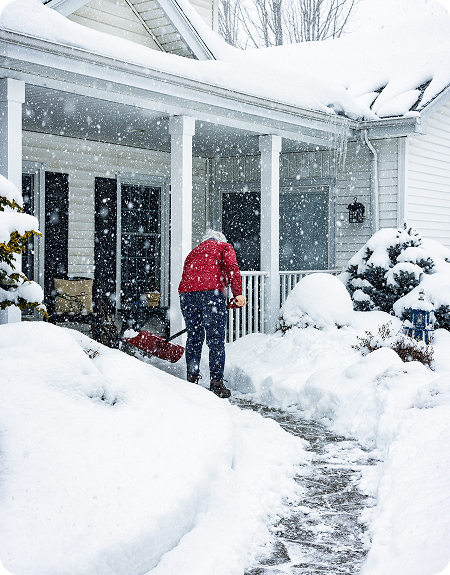
If you must go outside during a winter storm, take extra precautions:
First and foremost, if your home has severe damage or you suspect a gas leak, leave immediately. Go to a safe location and contact emergency officials or the appropriate utility.
For whole home standby generator extended runtime duration and information, check your owner’s manual or contact your local dealer.
Check the oil level every 24 hours of continuous operation and change the oil every 100 hours or as needed. Use SAE 30 above 32°F, 10W-30 from -10°F to 40°F or synthetic 5W-30 at any temperature*.
*Oil requirements and maintenance schedules can vary by model. Always follow your owner’s manual.