Emergency Preparedness

4 Must-Know Risks When Prepping for a Long Power Outage

4 MIN READ August 27, 2026


Key Takeaway: What Are the Biggest Risks During a Long Power Outage?

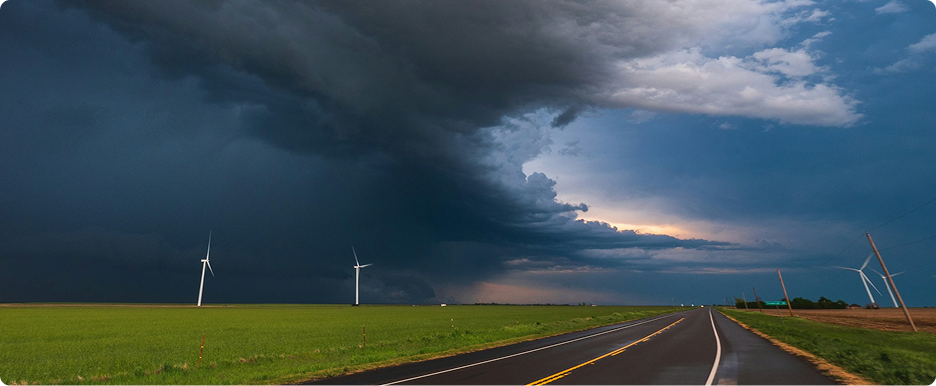
Long power outages go beyond inconvenience—they can cause lasting damage to your home, cut off your connectivity, compromise your comfort, and create serious health and safety hazards. Knowing these four risks ahead of time helps you prepare the right backup systems and protective measures before a storm hits.


When a major storm is in the forecast, most of us focus on the basics: flashlights, batteries, maybe a trip to the grocery store. Losing power for a few hours sounds more inconvenient than concerning. Then the hours tick by. And keep ticking. The impact can quickly go beyond dark rooms and dead devices, affecting your home, connectivity, comfort and even your family's safety. The more you know about the risks of long-term outages, the better prepared you'll be to weather the storm and whatever comes after.


Risk 1: Lasting Damage to Your Home

When the storm passes, it’s natural to breathe a sigh of relief. But outage-related damage doesn’t always show itself right away. The most expensive problems can develop slowly behind walls, beneath floors, or inside the systems that keep your home running—and the harder they hide, the trickier they are to tackle. By the time you notice what’s wrong, repairs could be costly.

Both storms and extreme temperatures tend to put stress on plumbing and other critical systems. In freezing conditions, pipes can crack or burst if they aren’t properly insulated. During a heatwave, an HVAC shutdown could leave excess moisture hanging in the air—and when the damp moves in, mold quickly follows. Homes that rely on well pumps might lose running water. During heavy rain, a disabled sump pump could leave you with a flooded basement and lasting water damage. The list goes on. Even when the power returns, some risks remain.

That doesn’t mean you’re helpless. When the weather gets rough, you can cover your bases by:

  • Shutting off the main water valve to prevent your pipes from freezing and bursting
  • Insulating exposed pipes in your basement, garage, or crawl spaces with foam
  • Covering your windows to keep the heat out and cool air in—or vice versa
  • Installing surge protection to safeguard your entire home
  • Disconnecting hoses and covering exterior spigots to keep ice out of your plumbing
  • Sealing any drafts in your windows and doors with caulk, weatherstripping, or film
  • Unplugging appliances and electronics to protect against power surges
Quick Tip

Looking for extra peace of mind? Generac introduced the industry’s first Automatic Transfer Switch with built-in whole-home surge protection to help protect against power surges.


Risk 2: Connectivity Can Be Cut Off

An outage can leave you in the dark in more ways than one. These days, we're used to staying connected around the clock, so unplanned digital detoxes can come as an unwelcome shock. When the Wi-Fi goes down, those cell service bars become a lifeline. But connectivity isn't just about scrolling or streaming. Connected devices like smart thermostats, cameras, and garage door systems may go offline as well, and if cellular networks become overloaded during a major storm, even calling for assistance can become difficult.

A few simple preparation steps can help you
stay connected longer during an outage:

  • Keep portable battery packs charged and ready
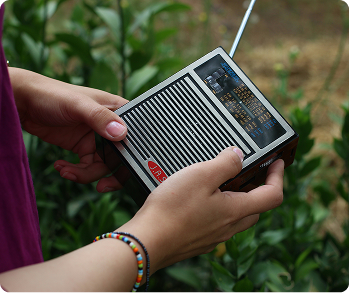
  • Store a battery-operated or hand-crank radio for
    emergency updates
  • Print important emergency contacts in case
    devices lose power
  • Fully charge phones, tablets and laptops before
    expected storms
Portable hand-crank emergency radio being held outdoors
Quick Tip

Our latest home standby generators come with built-in, multi-carrier cellular connectivity. That means it’ll stay online when the Wi-Fi goes down by switching between carriers to find the strongest connection.


Risk 3: Comfort Can Become a Serious Concern

Sometimes, short outages almost feel like a welcome break from routine. You might read a book by candlelight or make a mock-camping trip out of it to entertain the kids. But comfort is more than a luxury—especially when outages are caused by extreme weather.

In the winter, cold air seeping through the cracks can have your home feeling less-than-cozy quicker than expected. During heat waves, you’ll learn just how much you rely on air conditioning. Both scenarios can create dangerous conditions, especially for people (or pets) who are sensitive to extreme temperatures. Without power, you can’t count on hot water or your usual go-to cooking methods, either. It can be particularly challenging for remote workers and families with young children. Sound like you? If losing the essentials isn’t an option, consider installing a whole-home backup generator (also called a home standby) to keep them online when you need them most.

Extended outages might have you missing the little luxuries, but a little preparation goes a long way:

  • Keep supplies like blankets, warm clothing and weather-appropriate gear in an easily accessible spot
  • Stock nonperishable food and bottled water for emergencies
    emergency updates
  • Consider backup cooking options like outdoor grills
    devices lose power
  • Make a plan for children, older adults, pets and anyone with temperature-related sensitivities
Portable hand-crank emergency radio being held outdoors


Quick Tip

One important reminder: Never use grills, camp stoves, or portable generators in enclosed spaces, including garages. A hot meal might be tempting, but it’s not worth the risk of carbon monoxide poisoning.


Risk 4: Health and Safety Risks Can Escalate

As outages stretch on from hours into days, everyday disruptions can become pressing safety concerns. 

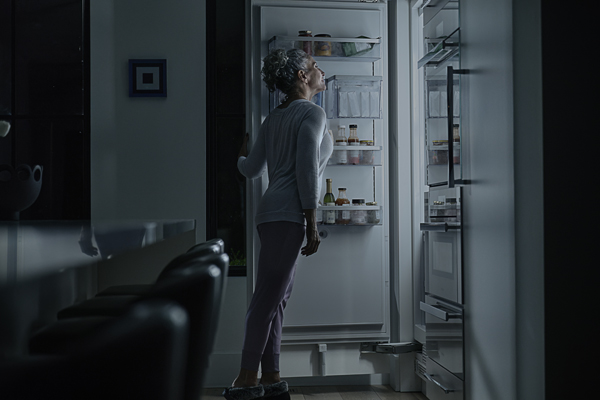
Some hazards are deceptively minor. Refrigerated and frozen food tends to spoil faster—and faster still if you open the refrigerator and release cold air. Medications that need constant refrigeration are a more pressing concern. And for homes that rely on well water, losing power can mean losing access to running water for drinking, cooking and sanitation.


For homeowners looking for more reliable backup support, a whole-home backup generator can bring lasting 
peace of mind.


Generac dealer meeting with homeowners

Ready To Find the Right Fit for Your Home?

Find Out Now


Frequently Asked Questions

Losing a freezer full of food is frustrating, but the highest costs usually come from structural damage. Without power, sump pumps fail (leading to flooded basements) and HVAC systems shut down (causing frozen pipes to burst in winter or mold to grow in summer). These repairs often cost thousands more than the price of a backup power system.

To protect your home, insulate exposed pipes and make sure your sump pump has a reliable backup. While battery backups for pumps exist, they often last only a few hours. A home standby generator provides the most reliable protection by automatically powering your heating system and sump pump indefinitely until utility power is restored.

If your home relies on a well, your water stops flowing the moment the power goes out because the well pump requires electricity. That means no water for drinking, cooking or flushing toilets. To maintain water access during a long outage, you’ll need a power source capable of handling the high "starting wattage" required by well pump motors. 

According to the FDA, a refrigerator keeps food safe for only four hours without power, while a full freezer can maintain its temperature for about 48 hours if the doors stay closed. For outages lasting several days, a continuous power source is essential to prevent food spoilage and the loss of temperature-sensitive medications.

Portable generators are helpful for running a few small appliances via extension cords, but they often struggle to power "hardwired" home essentials like well pumps, HVAC systems and electric water heaters. For extended outages, a standby generator is more effective because it integrates directly with your home's electrical panel to power these heavy-duty systems automatically.

Related Articles